Report on Environmental Conservation Activities in Lake Kamo, Sado
Warning: foreach() argument must be of type array|object, bool given in /home/sophiasdgs/sophia.ac.jp/public_html/diversity-sustainability/wp/wp-content/themes/sophia-sdgs/single-efforts.php on line 16
Warning: foreach() argument must be of type array|object, bool given in /home/sophiasdgs/sophia.ac.jp/public_html/diversity-sustainability/wp/wp-content/themes/sophia-sdgs/single-efforts.php on line 31
In 2022, Sophia University signed a comprehensive partnership agreement with Sado City, aiming to promote the conservation of the natural environment at the regional level, advance the United Nations Sustainable Development Goals (SDGs), foster human resource development, and encourage international exchange through collaboration in various fields. One concrete initiative is the water environmental survey in Lake Kamo.
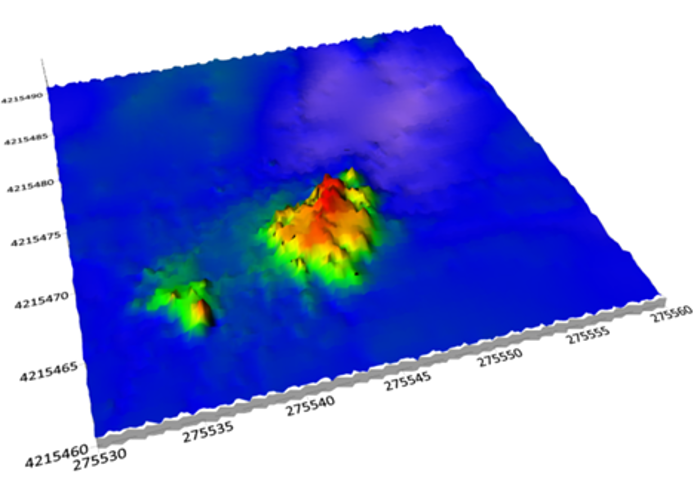
Lake Kamo, located in the center of Sado Island, is the largest lake in Niigata Prefecture, with a surface area of about 4.9 km² and a circumference of about 17 km. It has long played an important role in the local community as a base for fisheries—particularly oyster farming—as well as a tourism resource. However, in recent years, problems such as lake eutrophication, the loss of seaweed beds, and the deterioration of the lakeshore environment have become evident, highlighting the need for conservation efforts to ensure sustainable use of the lake. In addition, concerns have been raised about potential impacts on the ecosystem from the Noto Peninsula Earthquake. In recent years, the Research Institute for the Study of the Global Environment at Sophia University has been working in collaboration with local environmental organizations to investigate the temporal and spatial variations of water quality in Lake Kamo. In addition to conventional water quality parameters, surveys on algae community and microplastics have also been conducted. Furthermore, three-dimensional bathymetric surveys using ADCP have been carried out to assess changes in the lakebed topography caused by the Noto Peninsula Earthquake. It is hoped that these research outcomes will contribute to environmental conservation planning in Sado.